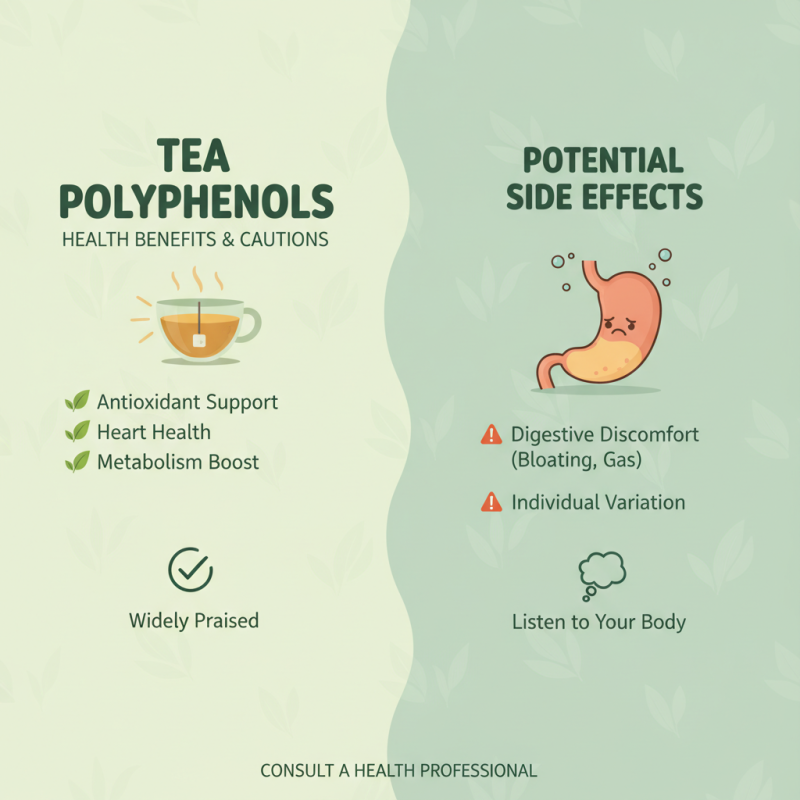
Lately, Tea Polyphenol has really been catching people's attention. It’s pretty amazing how many health benefits it offers, and they’re pretty varied too. You’ll find these compounds in lots of different teas, and they seem to do some interesting things for your overall well-being.
Apparently, Tea Polyphenol can be good for your heart — it helps lower cholesterol and can improve blood flow. Plus, a lot of folks are curious about its role in weight maNAGement; some believe it might support fat loss efforts. Of course, a lot of these claims are backed up by studies, but keep in mind, everyone’s different, and results can vary quite a bit.
What’s really cool is that some people also say Tea Polyphenol helps clear their minds or makes it easier to focus and feel less stressed. Not everyone feels that way, though — it really depends on things like how much you take and your overall health. All in all, if you’re looking into it, it’s worth considering both what it can do and what it might not — it’s all about a balanced, thoughtful approach.

Types of Tea Polyphenols and Their Sources
Tea polyphenols are a group of natural compounds found in various types of tea. They are known for their antioxidant properties, which help reduce oxidative stress. Green tea, black tea, oolong tea, and white tea are all rich sources of these beneficial compounds. Each tea type offers unique polyphenols, contributing to health in different ways.
Green tea is particularly noted for catechins, which support heart health and metabolism. Black tea contains theaflavins, linked to improving digestion and blood sugar levels. Oolong tea has a mix, including both catechins and theaflavins, promoting weight management and skin health. White tea is the least processed, preserving high levels of antioxidants that may combat aging.
While tea polyphenols offer promising health benefits, it’s essential to consider moderation. Excess intake may lead to caffeine-related issues, such as anxiety or sleep disturbances. Some individuals might experience digestive discomfort. Therefore, while enjoying the various types of tea, reflection on personal tolerance and lifestyle is key. Explore the diverse flavors and health perks, but do listen to your body.
The Antioxidant Properties of Tea Polyphenols
Tea polyphenols are remarkable compounds found in tea that bring a variety of health benefits. These natural antioxidants combat oxidative stress in our bodies. This stress can lead to chronic diseases. Antioxidants neutralize free radicals, unstable molecules that can damage cells. By reducing oxidative damage, tea polyphenols support healthier aging.
Many studies highlight how these polyphenols, particularly catechins, enhance our well-being. They help boost the immune system and improve heart health. Regular consumption of tea can lower blood pressure and cholesterol levels. Yet, it's essential to consider individual reactions to different teas. Not everyone experiences the same benefits. Some may find that excessive tea consumption leads to digestive discomfort or insomnia.
Tea polyphenols also show potential in weight management. They can boost metabolism and promote fat oxidation. However, results vary, and tea alone doesn’t guarantee weight loss. A balanced diet and regular exercise are crucial. Understanding your body's responses to tea can help maximize its benefits while minimizing any downsides.
Effects of Tea Polyphenols on Heart Health
Tea polyphenols have garnered attention for their potential benefits on heart health. These compounds, primarily found in green and black tea, act as powerful antioxidants. They may help reduce oxidative stress and inflammation, both key contributors to heart disease. Studies suggest that regular consumption of tea rich in polyphenols could lower blood pressure and improve cholesterol levels.
Incorporating tea into your daily routine can be a simple step toward better cardiovascular health. A few cups of tea can make a difference over time. However, results can vary widely among individuals. Not everyone experiences the same level of benefit.
Some might not see noticeable changes in their heart health despite consistent consumption. This inconsistency raises questions about lifestyle factors and personal health differences.
While tea polyphenols show promise, a holistic approach to heart health is essential. This includes a balanced diet, regular exercise, and stress management. Relying solely on tea may not be enough.
It's important to consider individual habits and overall wellness. Embracing a multi-faceted approach can lead to more substantial health improvements over time.
Tea Polyphenols and Weight Management Benefits
Tea polyphenols are gaining attention for their role in weight management. They can enhance fat oxidation and improve metabolic rates. Green Tea Extract Polyphenol is particularly noted for its benefits. Regular consumption of tea may help reduce body weight, especially in the context of a balanced diet. Many appreciate its potential to support a healthy lifestyle.
Incorporating tea into your routine can be easy. Sipping a warm cup can replace high-calorie sNACks. But remember, it’s not a magic solution. Results take time and effort. Over-relying on tea alone is not advisable. Combining it with exercise and proper nutrition is crucial.
Some individuals find it hard to stay consistent. Challenges may arise from cravings or busy schedules. A mindful approach can help. Tracking your intake and setting achievable goals may aid progress. Not every experience will be perfect, but perseverance is key. Embracing the journey can lead to better health outcomes in the long run.
Top 10 Benefits of Tea Polyphenol for Health and Wellness
This bar chart illustrates the top 10 health benefits of tea polyphenols, emphasizing their role in weight management and overall wellness. The data represents a general overview of the benefits associated with regular tea consumption.
The Role of Tea Polyphenols in Cancer Prevention
Tea polyphenols are gaining attention in cancer prevention research. Recent studies suggest these compounds may help lower the risk of certain cancers. For instance, a report from the American Institute for Cancer Research indicates that people who consume green tea regularly may have a 20-30% lower risk of developing various cancer types.
Components in tea polyphenols, like catechins, show potential antitumor effects. These substances are known to inhibit cancer cell growth and promote apoptosis. Some reports highlight that a daily intake of tea polyphenols can be linked to reduced markers of inflammation. Consuming Apple Polyphenol Powder can also contribute to this effect.
However, the findings are not universally conclusive. Variability in individual responses to tea polyphenols raises questions. Factors like genetics and lifestyle significantly influence their effectiveness. More comprehensive studies are needed to draw definitive conclusions on how tea polyphenols impact cancer prevention. This uncertainty necessitates caution, encouraging further exploration into the antioxidant properties of these compounds.
Tea Polyphenols' Impact on Brain Function and Mood
Tea polyphenols have a significant impact on brain function and mood. These natural compounds, found in tea, can enhance cognitive abilities. Research shows that tea polyphenols may improve memory and attention. They can also promote feelings of calmness and well-being. This dual action makes tea a preferred choice for many seeking mental clarity.
When considering mood enhancement, tea polyphenols play a crucial role. They may influence neurotransmitters, which affect how we feel. A warm cup of tea can provide comfort in stressful moments. However, results may vary from person to person. Not everyone experiences the same uplifting effects.
In addition, tea polyphenols can interact with other compounds. For example, Apple Polyphenol, another natural antioxidant, shares similar benefits. Both these polyphenols work together to combat oxidative stress. This synergy might be a reason why many feel better after enjoying a cup of tea. Reflecting on personal experiences with tea can be enlightening. The journey of discovering what works can lead to improved mental health.
Top 10 Benefits of Tea Polyphenol for Health and Wellness
| Benefit | Description | Impact on Brain Function | Impact on Mood |
| Antioxidant Properties | Tea polyphenols reduce oxidative stress in the body. | Enhances cognitive function. | May lead to improved mood and decreased anxiety. |
| Anti-Inflammatory | Helps reduce inflammation and chronic pain. | May improve overall brain health. | Can positively affect emotional well-being. |
| Weight Management | Supports metabolism and fat oxidation. | Promotes mental clarity related to body image. | Can boost self-esteem and mood. |
| Cardiovascular Health | Improves heart health and circulation. | Supports optimal blood flow to the brain. | Can lead to lower stress levels. |
| Blood Sugar Regulation | Helps maintain stable blood sugar levels. | May reduce fatigue and enhance focus. | Contributes to a more balanced mood. |
| Cancer Prevention | Contains compounds that may inhibit cancer cell growth. | Potential enhancement of neuroprotection. | Promotes a fighting spirit and resilience. |
| Skin Health | Aids in reducing signs of aging and promoting healthy skin. | Enhances skin's clarity, leading to better self-image. | Boosts confidence and mood. |
| Gut Health | Supports a healthy microbiome. | Promotes better digestion, which can improve brain function. | Enhances overall well-being and mood stability. |
| Stress Reduction | May help lower cortisol levels and reduce stress. | Encourages relaxation, aiding in cognitive function. | Directly improves mood and overall mental health. |
| Longevity | May contribute to a longer, healthier life. | Supports brain function into older age. | Promotes satisfaction and happiness with life. |
Potential Side Effects and Considerations of Tea Polyphenols
Tea polyphenols are widely praised for their health benefits, but it’s essential to consider potential side effects. Some people may experience digestive discomfort after consumption. This could include bloating or gas, which might disrupt daily activities. Individual reactions can vary significantly. It is crucial to listen to your body and assess how it responds.
Moreover, while tea polyphenols support overall wellness, they can interact with certain medications. For instance, blood-thinning medications may be affected by high doses of tea polyphenols. The potential for decreased efficacy or increased bleeding risk should not be overlooked. It’s wise to consult a healthcare professional before increasing intake.
Cinnamon Polyphenol is another component worth mentioning. While it has health advantages, it may also contribute to side effects similar to tea polyphenols. Some individuals could experience allergic reactions or skin irritations. These nuances remind us that even natural compounds can have mixed effects on our health journey. Awareness and moderation are key.
FAQS
: It aims to enhance daily productivity and efficiency for users.
Follow the user manual closely for best results. Proper usage is key.
Some users have reported minor discomfort. This may vary from person to person.
Daily usage is recommended for optimal benefits. However, listen to your body.
It's best for personal use. Sharing might lead to different experiences.
Reflect on your usage and habits. Sometimes, adjustments are needed.
While it is generally safe, younger users may need supervision.
Check the ingredients carefully. Consult a professional if unsure.
Regular cleaning is essential. Neglect can affect its performance.
Consider your lifestyle and needs. A trial period can provide clarity.
Conclusion
Tea polyphenol, a group of naturally occurring compounds found in tea, offers numerous health benefits that contribute to overall wellness. These polyphenols are primarily derived from green, black, and oolong teas and are known for their powerful antioxidant properties, which help combat oxidative stress in the body. Research has shown that tea polyphenols can support heart health by improving blood circulation and reducing cholesterol levels. Additionally, they play a role in weight management by promoting fat oxidation and metabolism.
Moreover, tea polyphenols have been associated with cancer prevention due to their ability to inhibit tumor growth and reduce inflammation. Their effects extend to brain function and mood enhancement, potentially improving cognitive performance and mental well-being. While tea polyphenols are generally safe for consumption, it is essential to be aware of potential side effects and moderation in intake. Overall, incorporating tea polyphenols into one’s diet can significantly enhance health and wellness.