


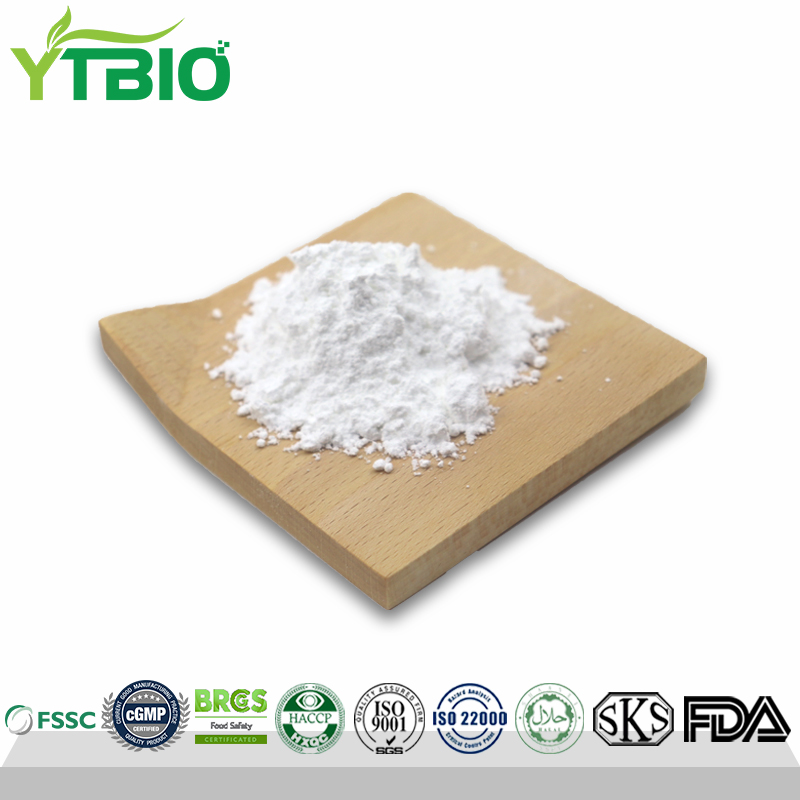
99% Glycerophosphocholine Powder CAS 28319-77-9
What is Glycerophosphocholine?
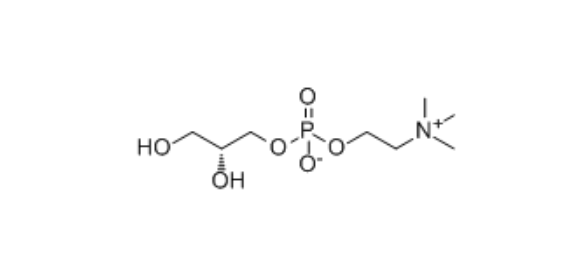
Glycerophosphocholine (GPC) is a choline derivative naturally found in the human body and food. It promotes brain function, supports neurotransmission, and improves cognitive health. By participating in cell membrane synthesis and acetylcholine production, it has potential benefits for memory, learning, and nervous system repair, and is commonly used in dietary supplements and medical settings.
Glycerophosphocholine (GPC) is a small, water-soluble molecule normally present in the human body and serves as a biosynthetic precursor for the important neurotransmitter acetylcholine. The most important benefit of GPC is the choline it produces, a water-soluble B vitamin that plays a vital role in the brain and nervous system. Research has shown that GPC plays a crucial role in the production of certain hormones and neurotransmitters, such as acetylcholine and human growth hormone, thereby supporting brain and nervous system function.
Current Status
Higher dietary intake of total choline or L-α-glycine choline significantly improves overall cognitive function scores in middle-aged and elderly Chinese residents (especially those aged 65 and above). However, L-α-glycine choline intake is currently generally insufficient in my country. Data show that the average daily L-α-glycine choline intake among Chinese adults in 2018 was 16 mg/day; over 90% of the population does not meet the recommended dietary intake. Currently, L-α-glycine choline, as a medication or health product, can improve cognitive decline caused by dementia in adults. L-α-glycine choline readily crosses the blood-brain barrier and has potential benefits in enhancing memory, improving thinking, relieving anxiety, stabilizing mood, and increasing muscle strength and endurance.
Main Benefits of Glycerophosphocholine
Improving Brain Function
The greater the number of brain neurons, the greater their activity, the faster they transmit nerve signals, and the greater the brain's processing power. Glycine choline can comprehensively improve brain function by enhancing both neuronal activity and the ability to transmit nerve signals. In terms of enhancing cholinergic neurotransmission, signal transmission between nerve cells relies on the transmission of neurotransmitters, and acetylcholine is a key chemical messenger and neurotransmitter that ensures active thinking and maintains coordination between the brain and the entire body. Glycerylphosphocholine, which breaks down into 3-phosphoglycerol and choline in the brain, is the most efficient source of acetylcholine. It enhances memory and thinking by promoting the synthesis and release of acetylcholine in the brain. Glycerylphosphocholine enhances cell membrane stability and fluidity by promoting the synthesis of inositol phosphates, thereby enhancing cell membrane stability and fluidity. Intact neurons can better transmit information and improve mental acuity.
Nourishment and Protection of Nerves
Neurontogenic factors, also known as neurotrophic factors, regulate stem cell differentiation and promote the formation of new neural connections. Glycerylphosphocholine promotes the secretion of various neurotrophic factors and activates signaling pathways related to cell survival, thereby exerting neuroprotective effects and improving cognitive function. Glycerylphosphocholine also promotes the secretion of growth hormone, maintaining overall health by increasing growth hormone levels.
Antioxidant Effect
Oxidation and inflammation are the primary causes of brain cell aging and death. Glycerylphosphocholine can scavenge free radicals in the body, combating oxidative stress. It can also reduce the release of inflammatory factors such as nuclear factor κB, tumor necrosis factor α (TNF-α), and interleukin IL-6, counteracting brain inflammation, thereby significantly reversing cognitive decline and preventing the development of neurodegenerative diseases. These effects are supported by clinical evidence. In a study titled "Effects of Glycerylphosphocholine on Age-Related Memory Impairment," four subjects were given a placebo, while the other five received 1200 mg of glycerylphosphocholine daily. After three months of oral administration, brain waves were recorded using 16 electrodes for five minutes while the subjects were awake and resting. The results showed that compared to the placebo, glycerylphosphocholine significantly increased the proportion of the fastest brain waves and tended to decrease the slowest frequencies. This suggests that it can enhance brain activity and slow aging in middle-aged individuals.
Mood Regulators
Dopamine promotes pleasure, while serotonin and gamma-aminobutyric acid regulate mood. Glycerolphosphocholine promotes dopamine release, upregulates dopamine transporter expression, enhances dopamine neurotransmission in the brain, and increases serotonin levels in the striatum and prefrontal cortex. It also significantly promotes the release of endogenous gamma-aminobutyric acid in cortical tissue, alleviating insomnia, thereby exerting its antidepressant, anxiety-relieving, and mood-stabilizing effects.
Enhancing Athletic Performance
During exercise, glycerolphosphocholine can increase muscle mass and improve overall metabolic activity by increasing acute growth hormone production and power output, thereby improving body composition. Furthermore, glycerolphosphocholine accelerates neurotransmitter transmission, improves the efficiency of neuromuscular junctions, and increases skeletal muscle contractility and endurance, thereby enhancing exercise intensity, fatigue resistance, and positively impacting muscle growth.
Applications of Glycerophosphocholine
Nutritional Supplementation
Used to improve memory and concentration, or to slow the progression of neurodegenerative diseases such as Alzheimer's disease.
Medical Aid
Approved in some countries for the treatment of traumatic brain injury, stroke sequelae, or vascular dementia.
Athletic performance
Some studies suggest it may reduce post-exercise fatigue.

Scientifically supplementing choline with a healthy lifestyle
While choline plays an important role in brain health, it's not a panacea. It's recommended to obtain choline through a balanced diet, prioritizing choline-rich foods. For middle-aged and elderly individuals or those at higher risk of cognitive decline, appropriate supplementation with GPC or other choline supplements can be considered under the guidance of a doctor or nutritionist. In addition to daily choline supplementation, maintaining a healthy lifestyle is crucial to brain health.
A balanced diet: In addition to consuming adequate choline, it's important to consume foods rich in antioxidants, such as dark-colored vegetables, fruits, nuts, and whole grains.
Moderate Exercise: Regular aerobic exercise (such as brisk walking and swimming) can promote blood circulation in the brain and enhance cognitive function.
Adequate Sleep: Sleep is crucial for the brain to eliminate metabolic waste, so ensuring 7-8 hours of high-quality sleep is essential for brain health.
Social and Learning: Actively participating in social activities and learning new skills can stimulate connections in the brain's neural networks and slow cognitive decline.
