
The Dual Value of Tea Polyphenols in Pet Food: Health Benefits and Food Preservation
Tea polyphenols, as natural active ingredients extracted from tea leaves, are becoming a highly sought-after functional ingredient in pet food formulations due to their multiple biological functions, including antioxidant, antibacterial, and anti-inflammatory properties. This article systematically introduces the application value of tea polyphenols in pet food from two aspects: pet health and food preservation.
About Tea Polyphenols
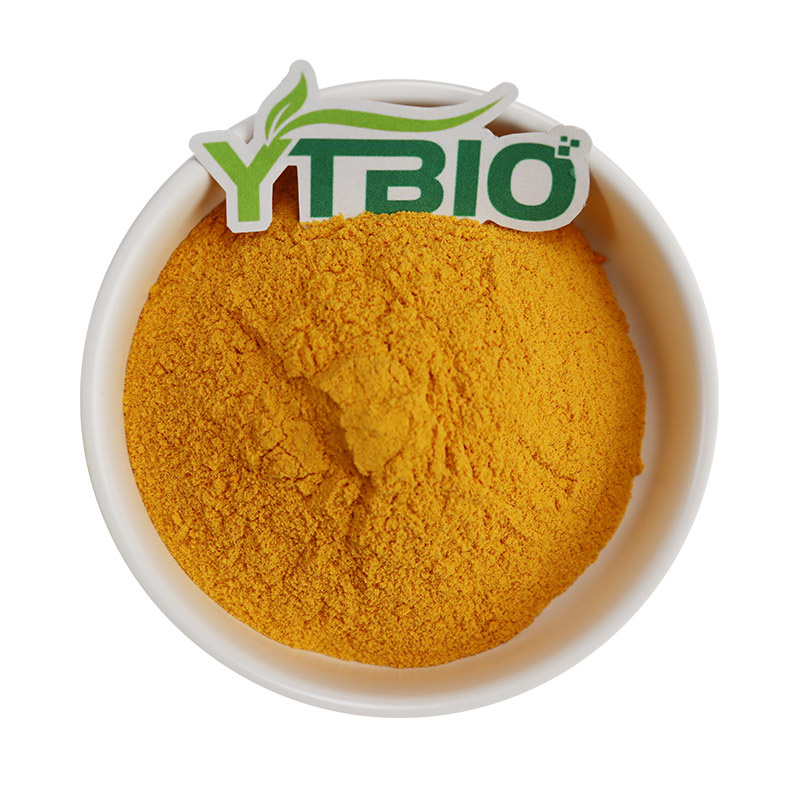
Tea polyphenols are a general term for polyphenolic compounds in tea leaves, mainly including catechins, flavonoids, anthocyanins, and phenolic acids. Among these, catechins constitute the largest proportion and are the core substances for tea polyphenols to exert their biological activity. As a natural plant extract, tea polyphenols have the following characteristics:
Strong antioxidant capacity: Superior free radical scavenging ability compared to vitamin C and vitamin E
Antibacterial: Inhibits and kills various pathogenic bacteria
Safety: Naturally derived, non-toxic and without side effects
Good stability: Maintains activity during food processing
Tea polyphenols have been widely used in food, medicine, and feed, accumulating rich research data and experience for their application in pet food.
II. The Role of Tea Polyphenols in Pet Health Care
1. Digestive Health
Oral Health: The antibacterial and anti-inflammatory properties of tea polyphenols lay the foundation for their application in pet oral health products. They can kill cariogenic bacteria such as lactic acid bacteria, while inhibiting glucose polymerase activity, blocking the polymerization process of glucose on the bacterial surface, preventing pathogens from adhering to the tooth surface. In addition, tea polyphenols can remove protein residue in tooth crevices, reducing the proliferation of putrefactive bacteria. This indicates that tea polyphenols can effectively alleviate problems such as bad breath, plaque, tartar, and periodontitis in pets.
Intestinal Health: Tea polyphenols can enhance intestinal peristalsis, promote digestion and absorption, and selectively inhibit and kill pathogenic bacteria in the intestines, while protecting the reproduction of beneficial bacteria such as Bifidobacteria, thereby improving intestinal immune function.
2. Reducing Fecal Odor and Body Odor
Pet odor mainly originates from sweat gland secretion, residual urine and feces, and oral odor. The odor-reducing effect of tea polyphenols lies in the fact that the hydroxyl groups on the B ring of catechins can donate hydrogen ions, which react with ammonia in feces and urine to form ammonium salts, thus effectively eliminating the ammonia odor. Simultaneously, tea polyphenols maintain oral hygiene, indirectly reducing bad breath and odor from licking fur in pets.
3. Protecting Skin and Fur Health
The high antioxidant capacity of tea polyphenols synergistically protects skin structure with superoxide dismutase (SOD). Studies have shown that tea polyphenols have a significant inhibitory effect on hyaluronidase, reducing the occurrence of skin allergic reactions. Adding them to pet foods for coat health and beauty helps maintain the shine and health of a pet's coat.
4. Aiding Weight Management
Tea polyphenols can regulate fat metabolism, promote fat breakdown, and lower cholesterol and blood lipid levels. For pets prone to obesity or already overweight, appropriate intake of tea polyphenols helps prevent excessive obesity and related metabolic diseases.
III. The Role of Tea Polyphenols in Pet Food Preservation
1. Natural Antioxidant
The value of tea polyphenols in food preservation is self-evident. They effectively inhibit the oxidative rancidity of unsaturated fatty acids, protecting nutrients such as proteins and vitamins from degradation. Pet foods typically contain high levels of animal protein and fat, making them prone to oxidative spoilage. Tea polyphenols can significantly extend the shelf life of these products.
2. Color Retention and Protection
Tea polyphenols can prevent natural pigments such as carotene, chlorophyll, and safflower from fading due to oxidation. Their color retention performance is approximately 20 times higher than that of vitamin C. Adding tea polyphenols to pet food not only improves the product's color and sensory quality but also protects vitamins and other nutrients in the formula.
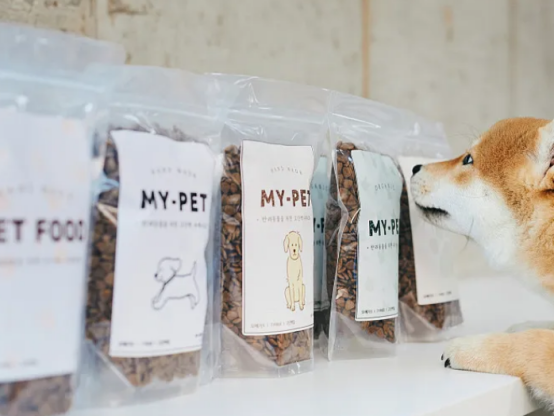
Recommended Dosage
The amount of tea polyphenols added to pet food needs to be determined comprehensively based on the product type, processing technology, and efficacy. Generally speaking, tea polyphenols:
As an antioxidant and preservative: Recommended addition level 0.02%-0.05%
As a functional health supplement: Recommended addition level 0.05%-0.2%
Tea polyphenols have a synergistic effect with antioxidants such as vitamin E and vitamin C, and can be used in combination to enhance overall antioxidant effects.
As pet food evolves from basic nutrition to functional health benefits, tea polyphenols will see wider applications. Their value in both pet health and food quality makes tea polyphenols a high-quality raw material in pet food that combines functionality and practicality.
YTBIO focuses on the research and supply of natural plant extracts. Our tea polyphenol products have stable specifications and controllable active ingredients. For detailed technical information or sample support, please contact the YTBIO team.
Email:sales@sxytbio.com
WhatsApp/phone:+86 17782577059