

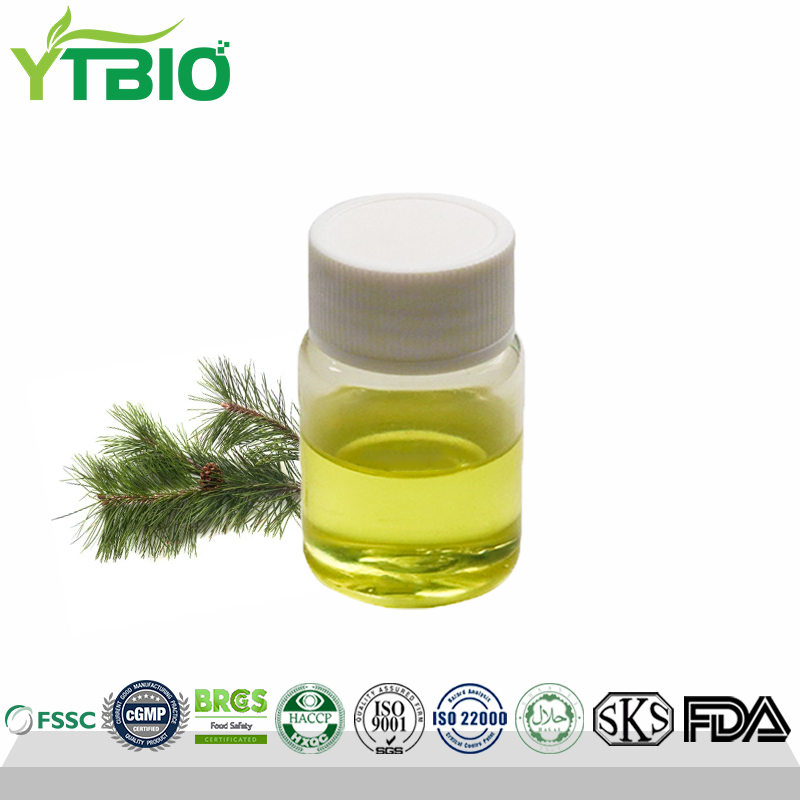
Premium Pine Oil/Pine Tree Essential Oil
Pine Oil: Overview
Pine oil is a natural oil extracted from pine trees (such as Masson pine and Chinese pine). Chemically, pine oil mainly contains terpineol, terpineyl acetate, β-terpineol, and various other terpene derivatives, such as borneol and longifolene. These components collectively contribute to its unique properties and effects. Pine oil has a wide range of uses; it possesses antibacterial, anti-inflammatory, and carminative properties. It is also commonly used in the production of aromatherapy essential oils, cosmetic raw materials, and natural cleaning and deodorizing agents.

The extraction methods of pine oil are mainly divided into two categories: natural extraction and chemical synthesis:
Natural Pine Oil Extraction
Modern industry generally selects pine trees of suitable diameter, cuts drainage grooves in the trunk and sets up collectors to allow the exudated resin to flow into the device, and then purifies it through a water distillation process to finally obtain pine oil.
Synthetic pine oil
Synthetic pine oil (also known as pine alcohol oil) is generally produced by hydrating turpentine oil with water under the action of a catalyst. The core reaction involves the hydration of pinene in turpentine oil to form terpene diols, which are then dehydrated and converted into terpene alcohols (the main active ingredient in pine oil).
Pine Oil: Efficacy and Functions
1. Antibacterial and Anti-inflammatory
The terpenoids in pine oil give it antibacterial properties, effectively helping to combat skin infections and tinea. Its anti-inflammatory properties also help alleviate local inflammatory reactions.
2. Pain Relief
Pine oil can penetrate the skin, helping to promote local blood circulation and relieving pain and swelling caused by bruises, rheumatism, arthritis, or muscle strain, thus alleviating discomfort.
3. Respiratory Health
Pine oil helps thin phlegm and clear nasal congestion, effectively relieving respiratory discomfort caused by colds, bronchitis, etc.
4. Skin Benefits
Pine oil has a certain astringent effect, reducing wound exudation and promoting tissue regeneration and healing of superficial wounds and cuts. It also has value in improving eczema and dry skin problems.
5. Antioxidant and Fatigue Relief
Pine oil contains natural antioxidants that help combat free radicals. Its unique woody aroma is also frequently used in aromatherapy, helping to relieve fatigue and having a soothing effect on the nervous system.
6. Other Uses
Pine oil is also used to help improve digestive discomfort, regulate blood pressure, and maintain urinary system health. Use should be under professional guidance.

Pine Oil: Wide Range and Practical Values
Health and Personal Care:
Massage and Compresses: Massage onto sore, stiff muscles or joints, or use as a compress to help relieve fatigue after exercise, arthritis discomfort, and swelling and pain from sprains and bruises.
Skin Care: Used as an additive in daily care products to help improve local symptoms of oily skin, mild acne, and certain chronic skin conditions (such as eczema and psoriasis). It is also often made into wound care ointments to promote the cleaning and healing of superficial cuts or abrasions.
Aromatherapy: Can help relieve nasal congestion and cough caused by colds, sinusitis, or bronchitis. Its unique woody aroma can create a soothing or uplifting atmosphere, often used in homes, offices, or meditation spaces to help relieve daily stress, boost spirits, and improve focus.
Household Cleaning:
Multi-functional Cleaning: Used to clean kitchen countertops, bathrooms, floors, and appliance surfaces, removing stains and reducing bacteria.
Air Freshener and Deodorizer: Purifies the air and eliminates pet odors, cooking fumes, or musty smells.
Industrial Applications
In industrial production, pine oil is an important solvent or modifier in paints, coatings, inks, adhesives, and certain resins.
In mining, pine oil synthesized through specific processes (pine resin oil) is used as a flotation agent to help separate useful metal components from ores.

